Supporting Emotional Wellbeing in the Early Years
Helping children understand and express their feelings
If you have ever had a toddler meltdown over the wrong colour cup or seen your child go from laughing to tears in seconds, you will know just how big emotions can feel in the early years.
From joy and excitement to frustration, worry and sadness, these feelings are all part of growing up. Helping children begin to understand them is a really important part of early development, even if it sometimes feels like you are navigating it day by day!
With Mental Health Awareness Week taking place this May, it feels like a good moment to pause and think about emotional wellbeing in the early years and why it matters so much. While the awareness week runs from 11 to 17 May 2026, supporting children’s emotional health is something that sits quietly in the background of family life every single day.
At Pendley Day Nursery in Tring, creating a safe, nurturing environment where children feel secure, valued and listened to is at the heart of everything the team does.
Why emotional wellbeing matters in the early years
The early years shape so much of how children understand the world and themselves.
The NSPCC highlights that babies and young children develop emotional wellbeing through warm, responsive relationships with trusted adults. In everyday terms, that simply means children do best when they feel safe, noticed and reassured by the adults around them.
Research from the Centre on the Developing Child at Harvard University highlights how children’s development is shaped by the environments and experiences around them from the earliest stages of life, laying the foundations for lifelong health and wellbeing.
So when your child feels emotionally secure, you may notice they are more able to:
- build friendships
- express how they are feeling
- try things independently
- cope with small changes or challenges
- explore and learn with confidence
What emotional wellbeing might look like day to day
As a parent, you will probably already recognise that children rarely tell us directly what they are feeling. Instead, it tends to come out in behaviour.
Some days that might mean a quieter, clingier child. Other days it might be frustration over something that feels very small to an adult but very big to them. And just as often, it shows up as curiosity, laughter, play and confidence.
None of this is unusual. It is all part of learning how to navigate emotions when you are still figuring out the words for them.
What helps most is consistency. Familiar routines, patient reassurance and calm, supportive adults all help children feel grounded, especially when things feel a bit much.
Helping children feel safe and secure
If there is one thing young children need most, it is a sense of emotional safety. When they feel safe, they are much more able to explore, learn and express themselves freely.
At our nursery, this is supported in simple, everyday ways such as:
- warm, consistent interactions with familiar adults
- comfort and reassurance when feelings seem overwhelming
- helping children begin to name their emotions
- encouraging kindness and empathy towards others
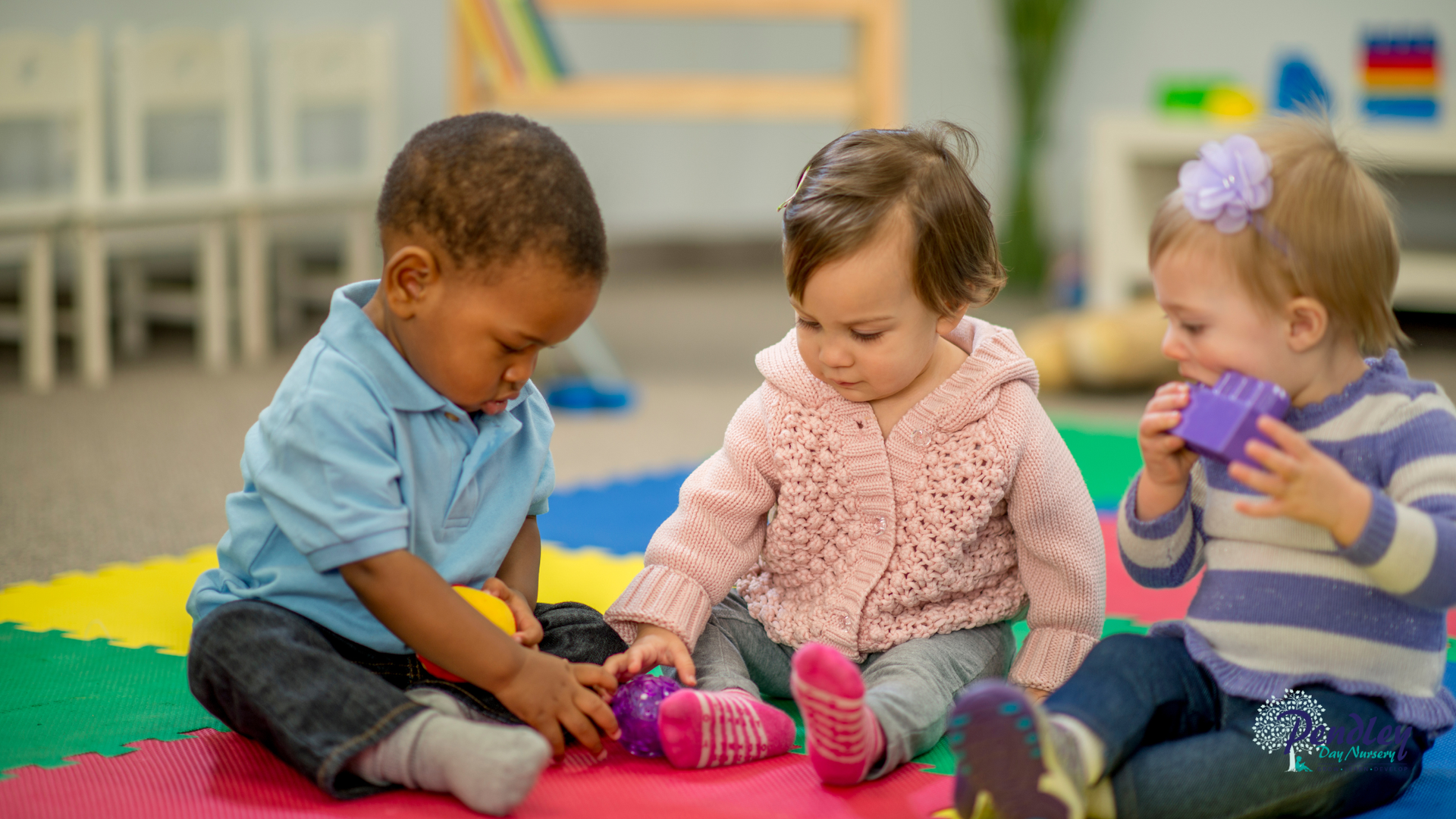
- lots of play and opportunities to socialise
- celebrating small wins and achievements
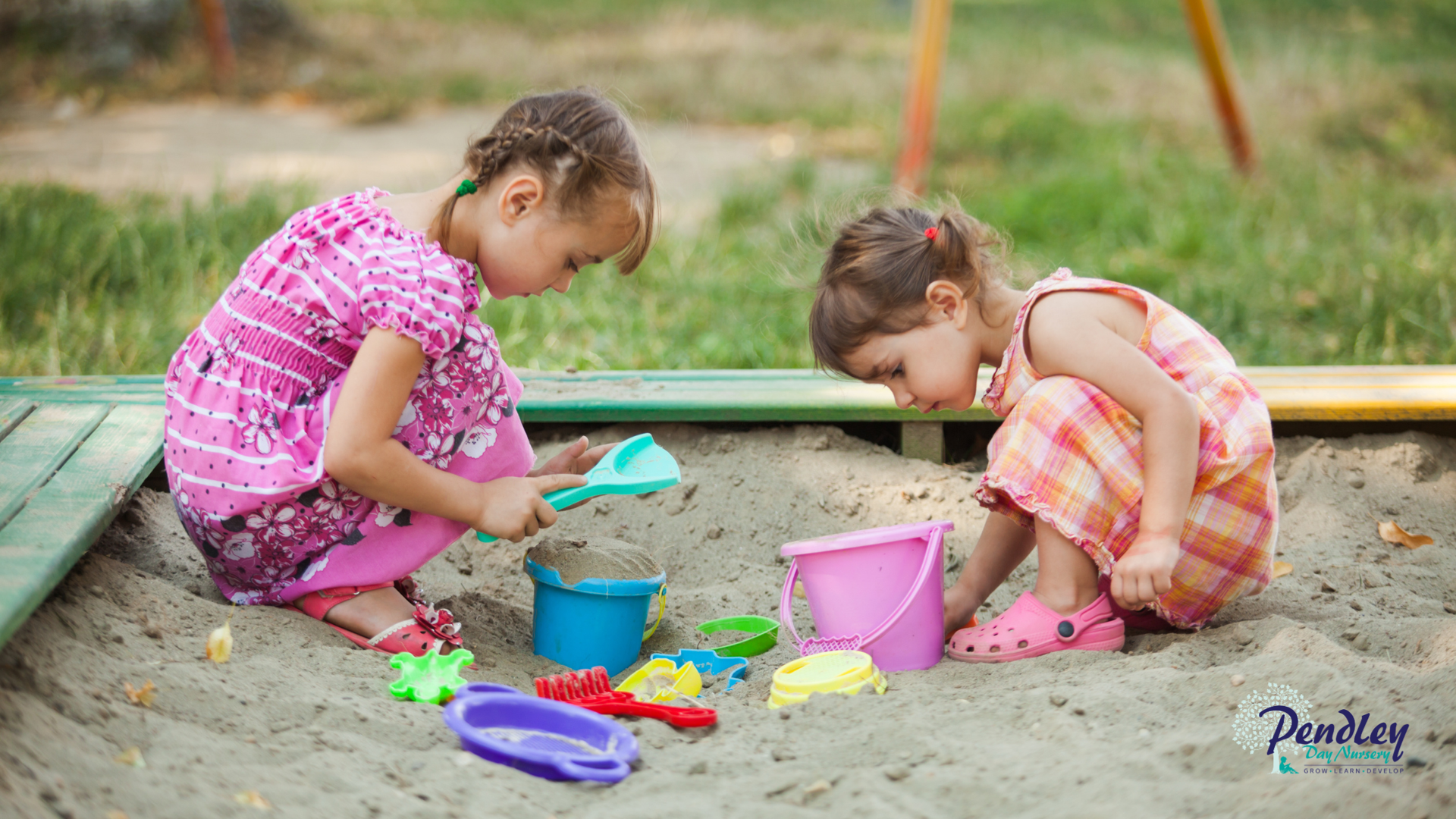
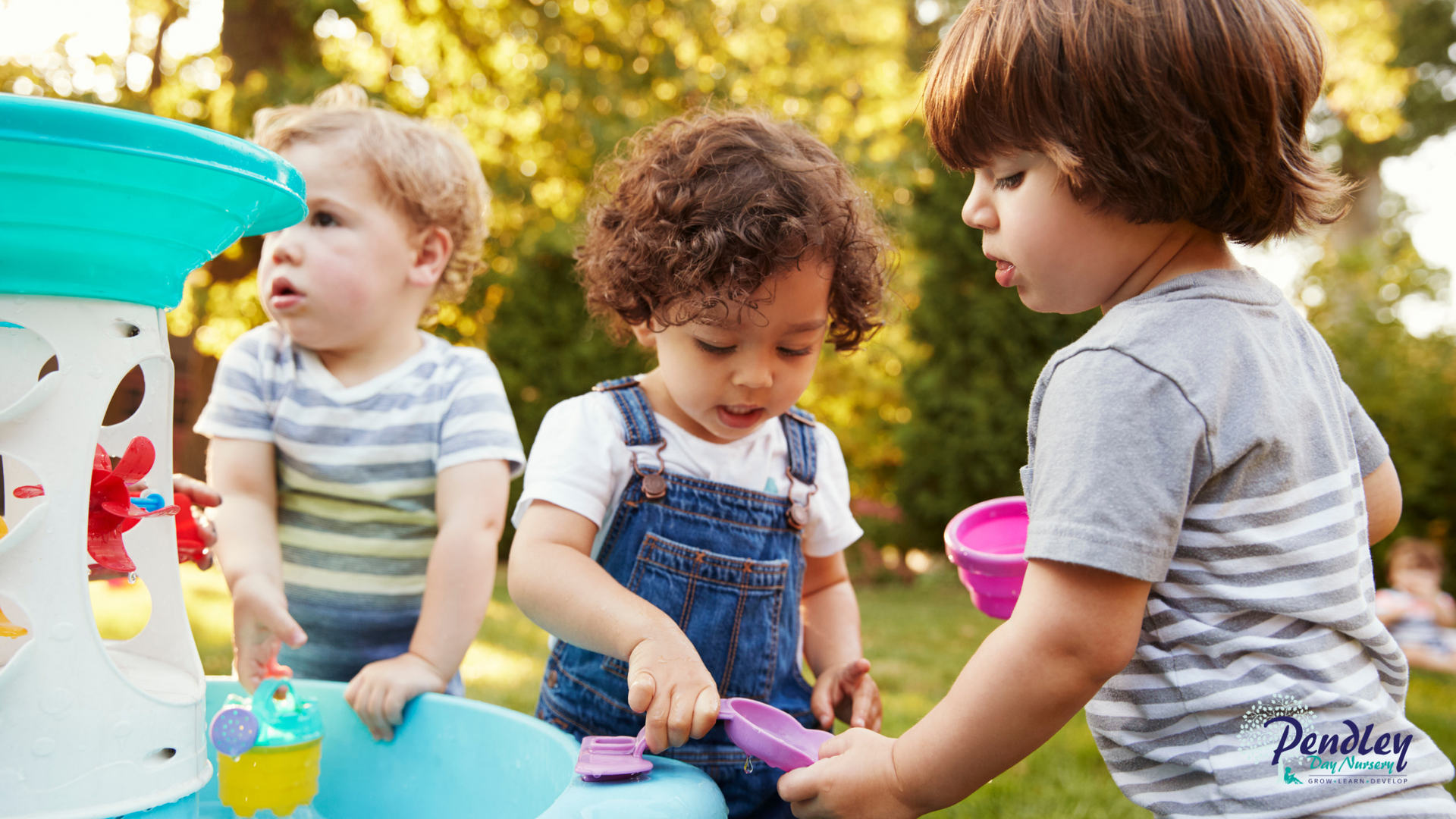
Play is especially powerful here. Whether it is role play, messy play, outdoor exploring or building something together, children are often working through feelings and learning how the world works without even realising it.
Helping children talk about feelings
Talking about feelings does not need to be complicated.
Often it starts with the small moments at home, naming what you see and keeping things simple. Saying things like ‘You seem upset’, ‘That was frustrating for you’, or ‘Would you like a cuddle?’ helps children feel understood, even when they cannot quite explain it themselves.
Stories, books and play are also brilliant ways to explore emotions in a gentle, natural way.
The mental health charity Young Minds encourages parents and carers to keep conversations open and supportive when it comes to feelings, helping children feel heard, understood and more confident as they grow.
Supporting parents as well as children
It is worth saying this too, because we know that parenting is not always easy!
Some days feel smooth and connected, and others can feel completely exhausting and emotionally draining. That is completely normal.
Nurseries can play a really important role here as well, not just for children but for families. Building strong relationships with parents, sharing updates, offering reassurance and working together all help create a joined-up sense of support.
Knowing your child is settled, cared for and understood can make a real difference to how the whole family feels.
Building strong foundations for the future
The way children learn to understand and manage their feelings in the early years stays with them for life. It shapes how they build relationships, handle challenges and grow in confidence.
None of this happens overnight. It builds slowly through everyday moments, routines, conversations and relationships.
At Pendley Day Nursery, the team is passionate about helping every child feel safe, valued and supported as they grow, learn and develop.
For further information, please call 01442 967140, email info@pendleydaynursery.co.uk or visit www.pendleydaynursery.com/contact and use the contact form.
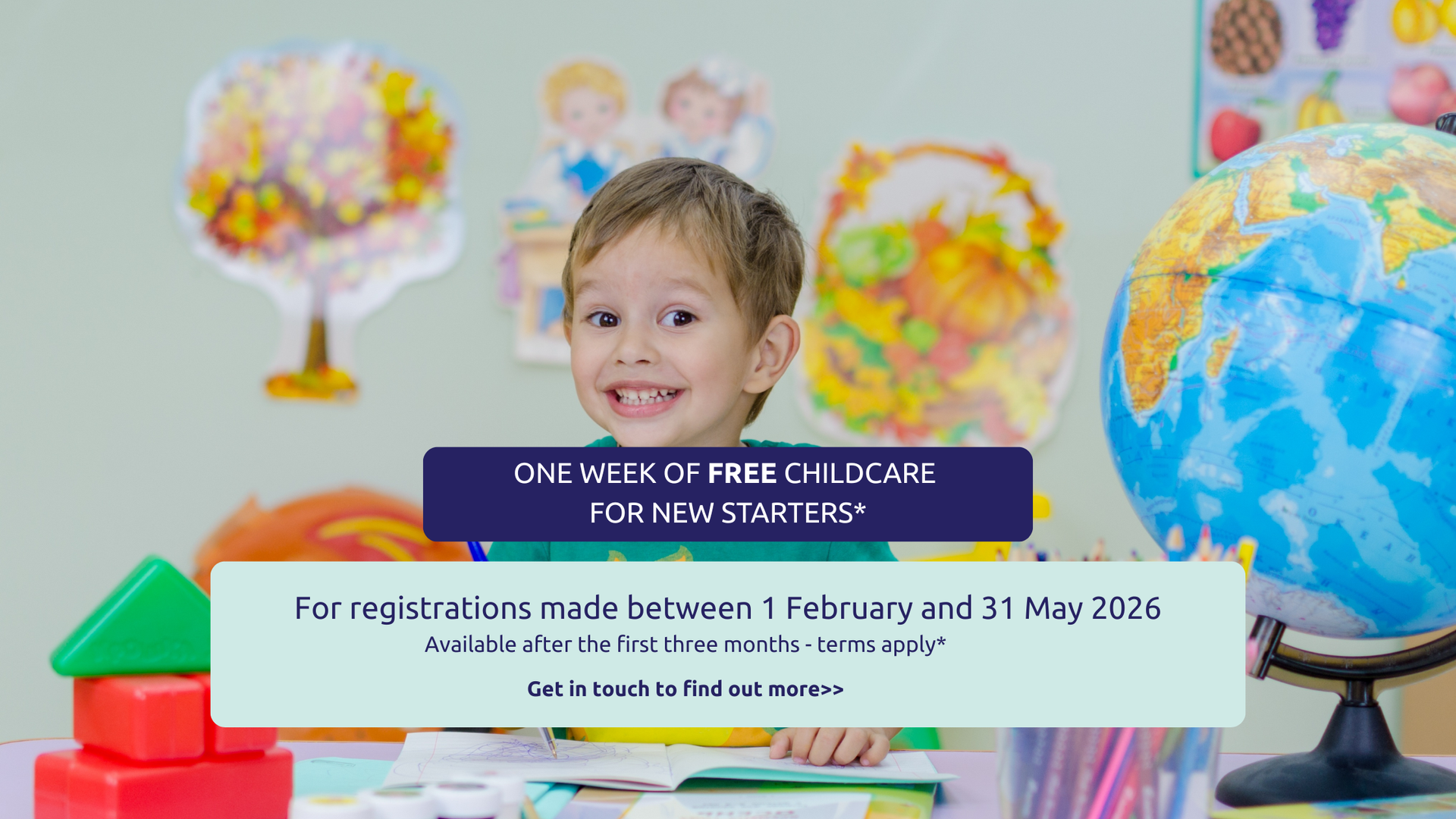
Until 31 May 2026, we're offering new starters one week of FREE childcare. Register NOW for a place later in the year! Terms apply.