Messy Play with Purpose
Why Getting Dirty Helps Young Minds Grow
There is something rather magical about watching a child become completely absorbed in messy play. Whether they're squelching mud between their fingers, experimenting with paint, building sandcastles on the beach during a family day out or pouring water from one container to another, they aren't thinking about keeping clean. They're exploring, experimenting and discovering!
Of course, as parents, it's easy to focus on the muddy shoes, paint splatters or clothes that need an extra wash. But behind every sticky handprint and muddy footprint is a wealth of learning that helps children develop skills they'll use throughout their lives.
At Pendley Day Nursery, messy play is much more than simply having fun. It's an important part of how young children learn about the world around them.
More Than Just Making a Mess
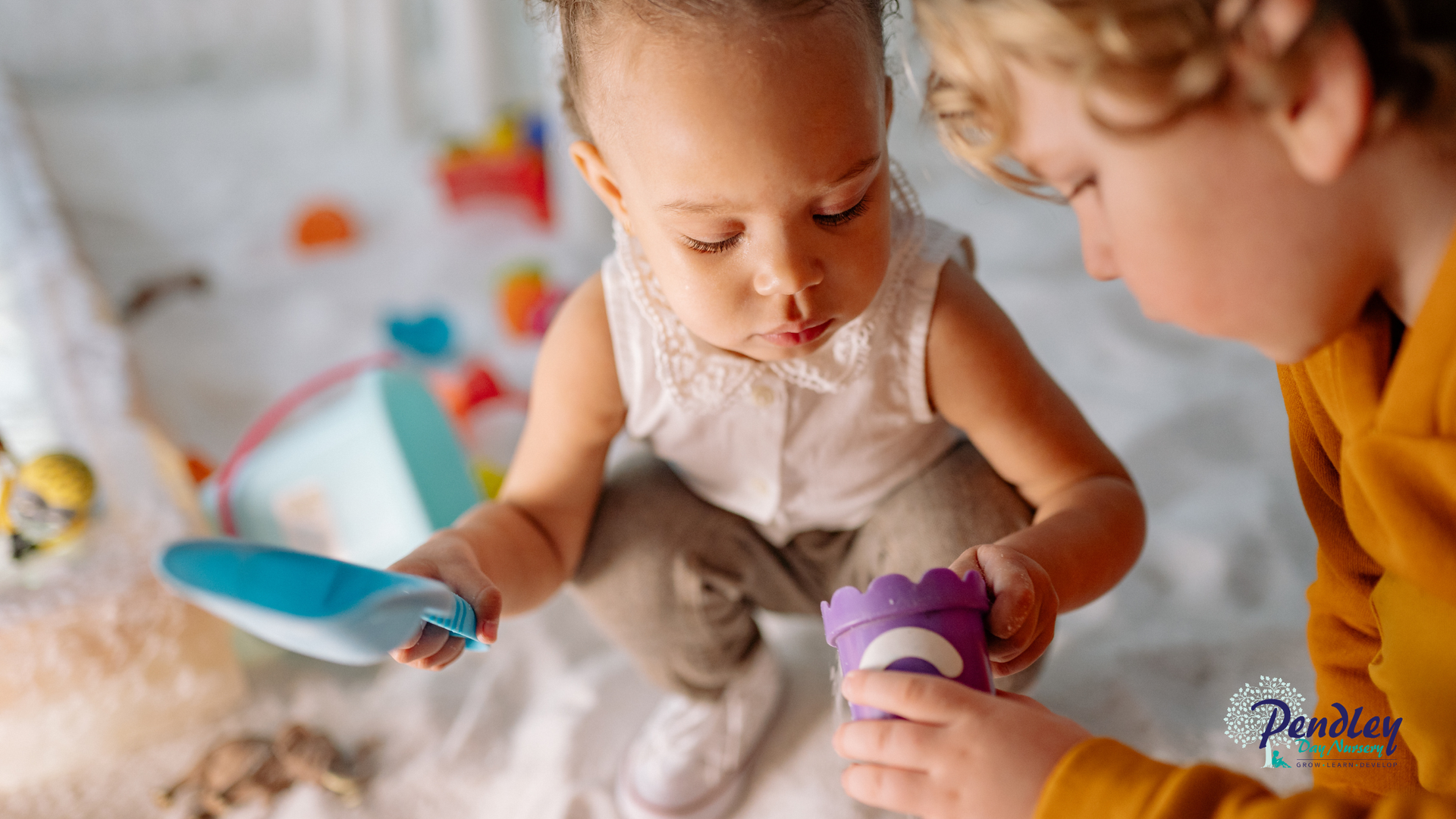
Children learn best by doing. Long before they can explain their ideas with words, they use their senses to explore different textures, colours, sounds and materials. Feeling cold water trickle through their fingers, squeezing soft play dough, mixing paint colours or discovering what happens when mud and water are combined all help children make sense of the world in a natural and meaningful way.
These sensory experiences are incredibly valuable. Research suggests that sensory play supports cognitive development by helping to build the neural pathways needed for learning, memory and problem solving. It also encourages language development, as children begin to describe what they can see, feel and create with the adults and friends around them.
Messy play also provides countless opportunities to develop physical skills. Picking up small objects, rolling play dough, using brushes, pouring water and scooping sand all strengthen the small muscles in children's hands and fingers, helping prepare them for everyday tasks such as dressing themselves and, later on, learning to write. Larger movements, such as digging, carrying buckets or stirring mixtures, help build coordination and balance too.
Just as importantly, messy play gives children the freedom to be creative without worrying about getting the 'right' answer. There are no rules about how a painting should look or what a mud pie should contain. Children are free to experiment, make mistakes, try again and discover new ideas for themselves. This builds confidence, resilience and curiosity, all of which are important foundations for future learning.
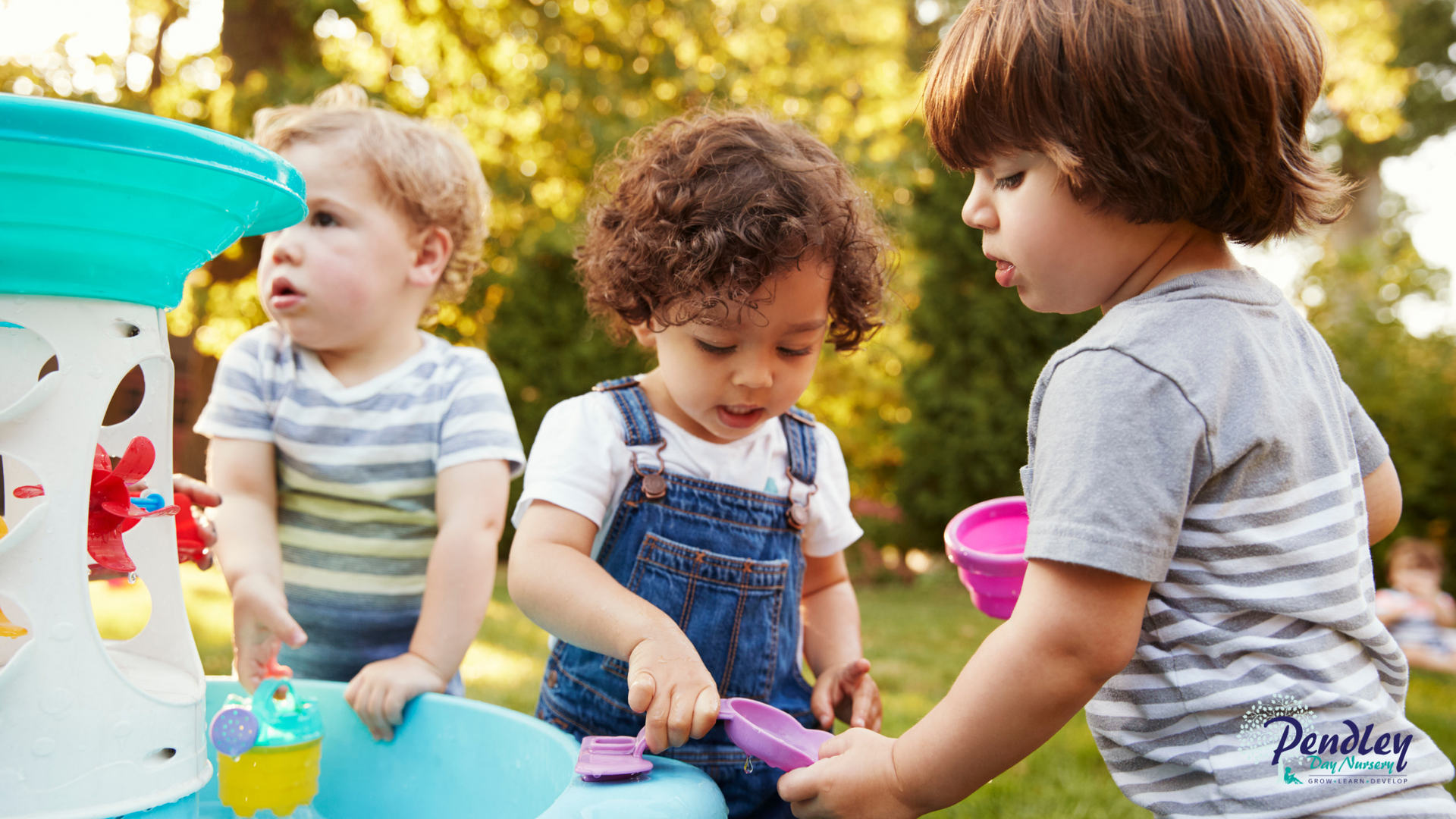
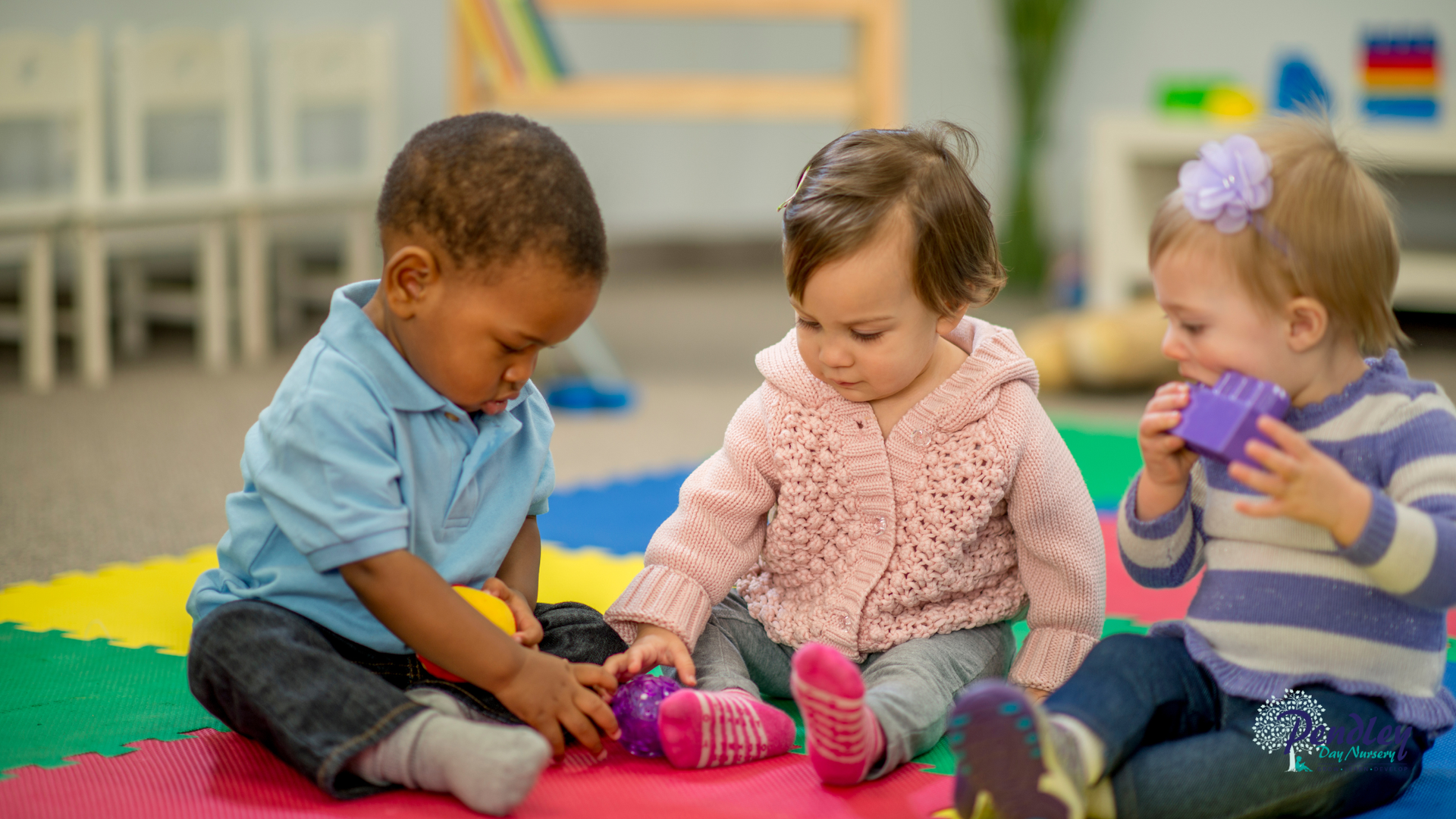
At nursery, messy play is also a wonderfully social activity. Children naturally begin to share resources, solve problems together and talk about what they're doing. They learn to take turns, cooperate and celebrate each other's discoveries, often without even realising they're developing these important social skills.
Whether it's exploring a sensory tray, investigating natural materials in the garden, painting at an easel or creating imaginative recipes in the mud kitchen, every activity offers another opportunity for children to learn through play.
Bringing the Learning Home
The good news is that messy play doesn't have to be complicated or expensive. Some of the best activities use everyday items you may already have at home.
Helping to mix cake batter, washing toy animals in a bowl of soapy water, collecting leaves and sticks on a walk, drawing with chalk outdoors or making shapes with play dough all encourage children to explore, create and build confidence through hands-on experiences. If you're heading to the coast this summer, building sandcastles, digging channels for the sea or simply exploring shells and pebbles are wonderful examples of messy play too. Even splashing in puddles on a rainy day can become an opportunity for learning and laughter.
While it can sometimes feel tempting to avoid the inevitable clean up, allowing children the freedom to get a little messy is one of the simplest ways to support their development. The paint will wash off, the mud will dry and the washing machine can take care of the rest. But the confidence, curiosity and skills children develop through these experiences will stay with them for years to come.
At Pendley Day Nursery, we believe that children learn best when they're encouraged to explore, investigate and enjoy the world around them. So, the next time your child comes home with muddy wellies or paint on their sleeves, remember that they haven't just had a fun day, they've been busy learning too.
Further reading: NHS: Early Child Development; UNICEF: Learning Through Play; National Association for the Education of Young Children: The Importance of Sensory Play.
If you’d like to find out more about Pendley Day Nursery, please continue to browse our website or reach out on telephone: 01442 967140 / email: info@pendleydaynursery.com.